

Advocacy
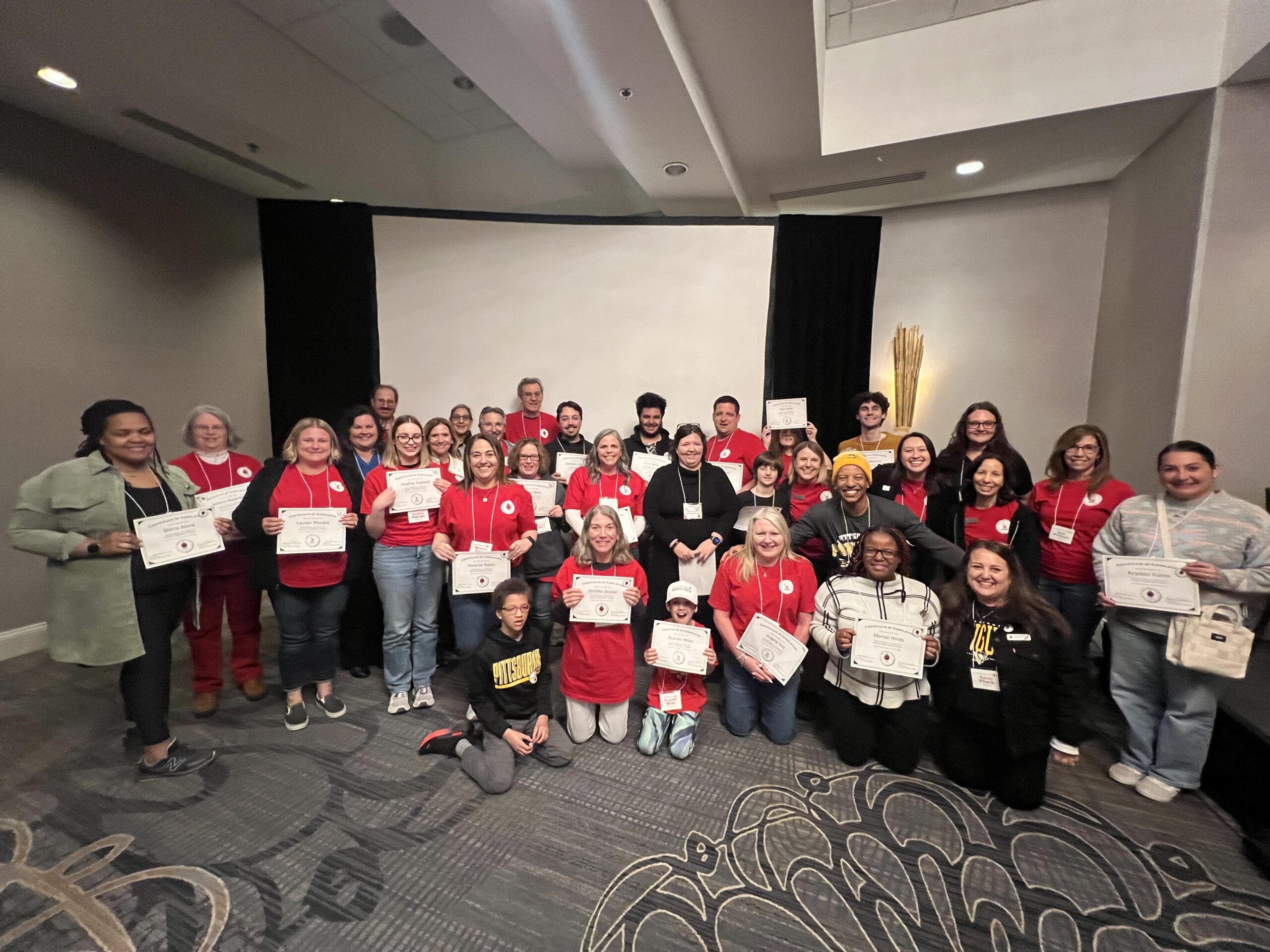
Advocating for Our Community
Advocacy is an important part of WPBDF’s mission. Our goal is to protect and improve access to high-quality care for people affected by bleeding disorders throughout Pennsylvania. WPBDF works closely with the Eastern Pennsylvania Bleeding Disorders Foundation, Pennsylvania’s seven Hemophilia Treatment Centers, national bleeding disorders organizations, and other patient advocacy partners to monitor policies and legislation that may affect our community.
Throughout the year, we meet with state legislators and officials from agencies including the Pennsylvania Department of Health, Department of Human Services, and Pennsylvania Insurance Department. We also raise awareness through Bleeding Disorders Awareness Month in March, World Hemophilia Day on April 17, legislative proclamations and resolutions, and awareness activities across Pennsylvania. Most importantly, we bring the experiences and concerns of people living with bleeding disorders directly to policymakers. Your stories help guide our advocacy.
Our Current Advocacy Priorities
WPBDF monitors legislative, regulatory, and policy issues that could affect access to care for people with bleeding disorders. Our current priorities include:
Protecting Pennsylvania’s Hemophilia Program
Maintaining state funding that supports comprehensive care and essential services at Pennsylvania’s seven Hemophilia Treatment Centers.
Making Prescription Medications More Affordable
Advocating for protections from copay accumulator programs, copay maximizers, alternative funding programs, and other practices that can increase out-of-pocket costs or create barriers to treatment.
Protecting Patients from Non-Medical Switching
Supporting policies that help patients remain on the treatment selected by them and their healthcare provider rather than being forced to switch treatment for non-medical reasons.
Protecting Access to Health Coverage
Monitoring changes to Medicaid and other health insurance programs and helping our community understand changes that could affect eligibility, coverage, or access to care.
As these issues evolve, WPBDF will continue to keep our community informed and provide opportunities to take action.
Understanding State Issues
Decisions made in Harrisburg can have a direct impact on access to treatment, insurance coverage, and comprehensive care for people living with bleeding disorders. WPBDF works with community members, healthcare providers, and advocacy partners across Pennsylvania to educate policymakers and advocate for policies that protect access to high-quality, affordable care.
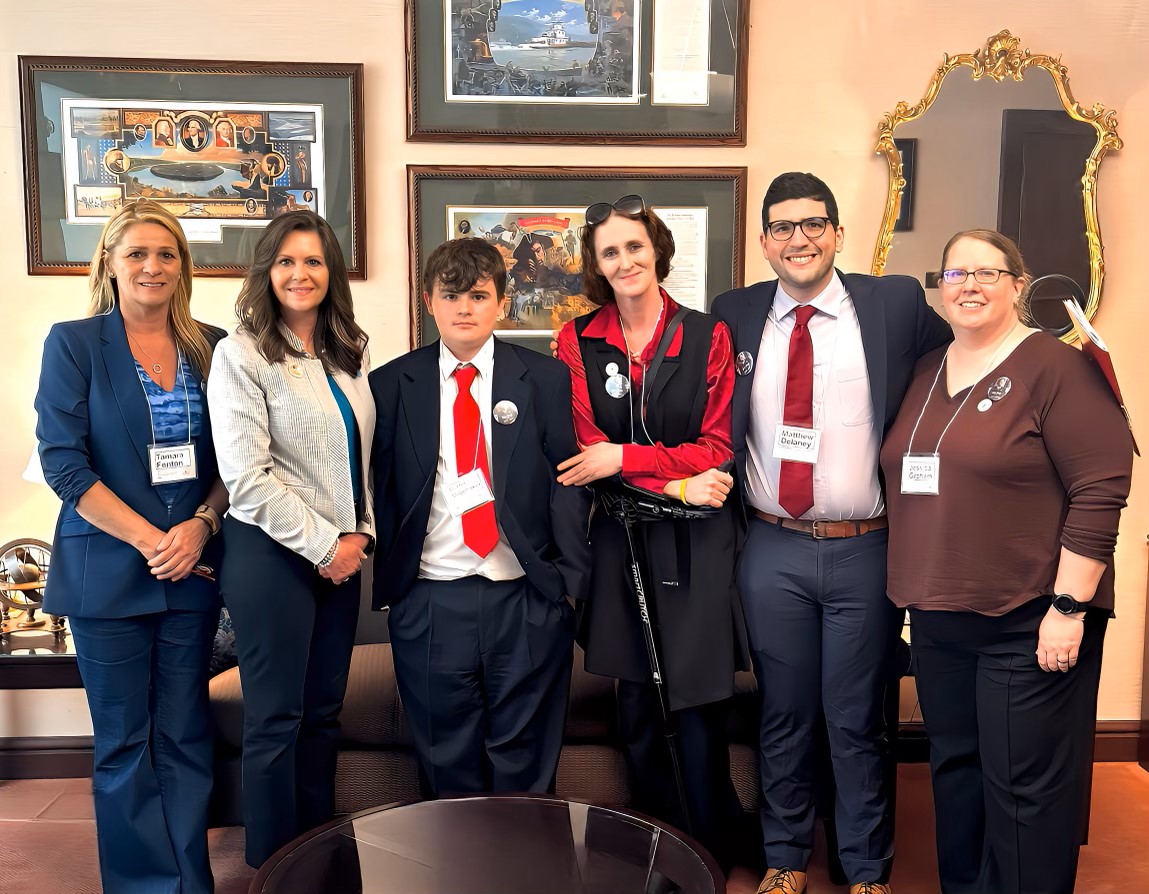
Protecting Pennsylvania’s Hemophilia Program
Pennsylvania’s Hemophilia Program provides critical state funding to the Commonwealth’s seven Hemophilia Treatment Centers (HTCs), which provide specialized, comprehensive care to more than 3,000 Pennsylvanians with bleeding disorders. Pennsylvania currently provides $1.017 million annually through the Hemophilia Program. This funding supports essential services that may not otherwise be reimbursed by insurance, including nursing, social work, care coordination, transportation assistance, emergency support, and other services that help patients successfully manage complex, lifelong conditions. Each year, WPBDF and our statewide partners advocate to protect this important funding and ensure that Pennsylvania continues to support the comprehensive care provided through its Hemophilia Treatment Centers.
Making Prescription Medications More Affordable
Many people with bleeding disorders rely on financial assistance from manufacturers or charitable organizations to help afford high-cost medications. Unfortunately, certain insurance practices can prevent this assistance from benefiting patients in the way it was intended.
Copay accumulator programs may prevent financial assistance provided on a patient’s behalf from counting toward the patient’s deductible or annual out-of-pocket maximum.
Copay maximizer programs may restructure a patient’s cost-sharing to capture available assistance while potentially creating additional costs or barriers to treatment.
Alternative funding programs may remove certain specialty medications from traditional insurance coverage and require patients to seek medication through outside funding sources. WPBDF supports meaningful protections that help ensure patients can access the medications prescribed by their healthcare providers without unnecessary financial barriers. WPBDF continues to work with legislators and patient advocacy partners on Pennsylvania legislation addressing these practices.
Protecting Patients from Non-Medical Switching
Treatment decisions should be made by patients and their healthcare providers based on what is medically appropriate.
Non-medical switching can occur when a health plan changes coverage of a medication or requires a patient to switch from a treatment that is working for reasons unrelated to the patient’s health. For people living with complex or rare conditions such as bleeding disorders, unexpected treatment changes can disrupt care and create unnecessary uncertainty. WPBDF supports policies that protect patients who are stable on their prescribed treatment from inappropriate mid-year coverage changes and preserve the treatment decisions made between patients and their healthcare providers.
Medicaid: What Our Community Needs to Know
Changes to federal Medicaid policy will affect eligibility, enrollment, reporting requirements, and other aspects of coverage in the coming years. Some changes will be implemented over time, which means it is important for Medicaid members to stay informed and respond promptly to requests from Pennsylvania’s Department of Human Services.
If you receive Medicaid, there are steps you can take now:
- Make sure your address and contact information are current with the Pennsylvania Department of Human Services.
- Open and read all notices you receive about your coverage.
- Complete renewal paperwork and requests for information by the stated deadline.
- Keep copies of important documents related to your eligibility and coverage.
- Ask for help if you do not understand a notice or believe your coverage has been incorrectly changed or terminated.
WPBDF will continue monitoring these changes and sharing updates and resources as more information becomes available.
Need Help?
If you are concerned about how Medicaid changes may affect you or your family, please contact WPBDF at 724-741-6160 or info@wpbdf.org.
Understanding Federal Issues
Decisions made in Washington, D.C. can have a significant impact on people living with bleeding disorders. Federal policies can affect health insurance coverage, Medicaid and Medicare, access to prescription medications, patient protections, and funding for programs that support the bleeding disorders community.
WPBDF works with national advocacy partners to monitor federal policy developments and share important information with our community.
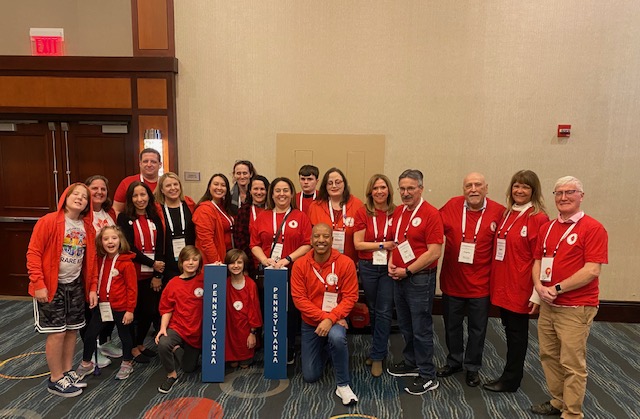
Stay Informed and Take Action
- Click here to sign up for our action alerts.
- Stay up to date on the federal healthcare priorities here.
- NBDF Insurance Toolkit
Experiencing a Barrier to Care? Tell Us.
Are you having trouble accessing your medication or treatment? Have you experienced an insurance denial, copay accumulator or maximizer, unexpected treatment switch, Medicaid issue, prior authorization delay, or another barrier to care?
We want to hear from you.
Sharing your experience helps WPBDF identify emerging problems, connect community members with available resources, and show policymakers how healthcare policies affect real people living with bleeding disorders.
Contact WPBDF at 724-741-6160 or info@wpbdf.org.